

Milling wheat
Sound wheat within a declared protein band, intended for flour milling and specified on moisture, test weight and impurity limits.
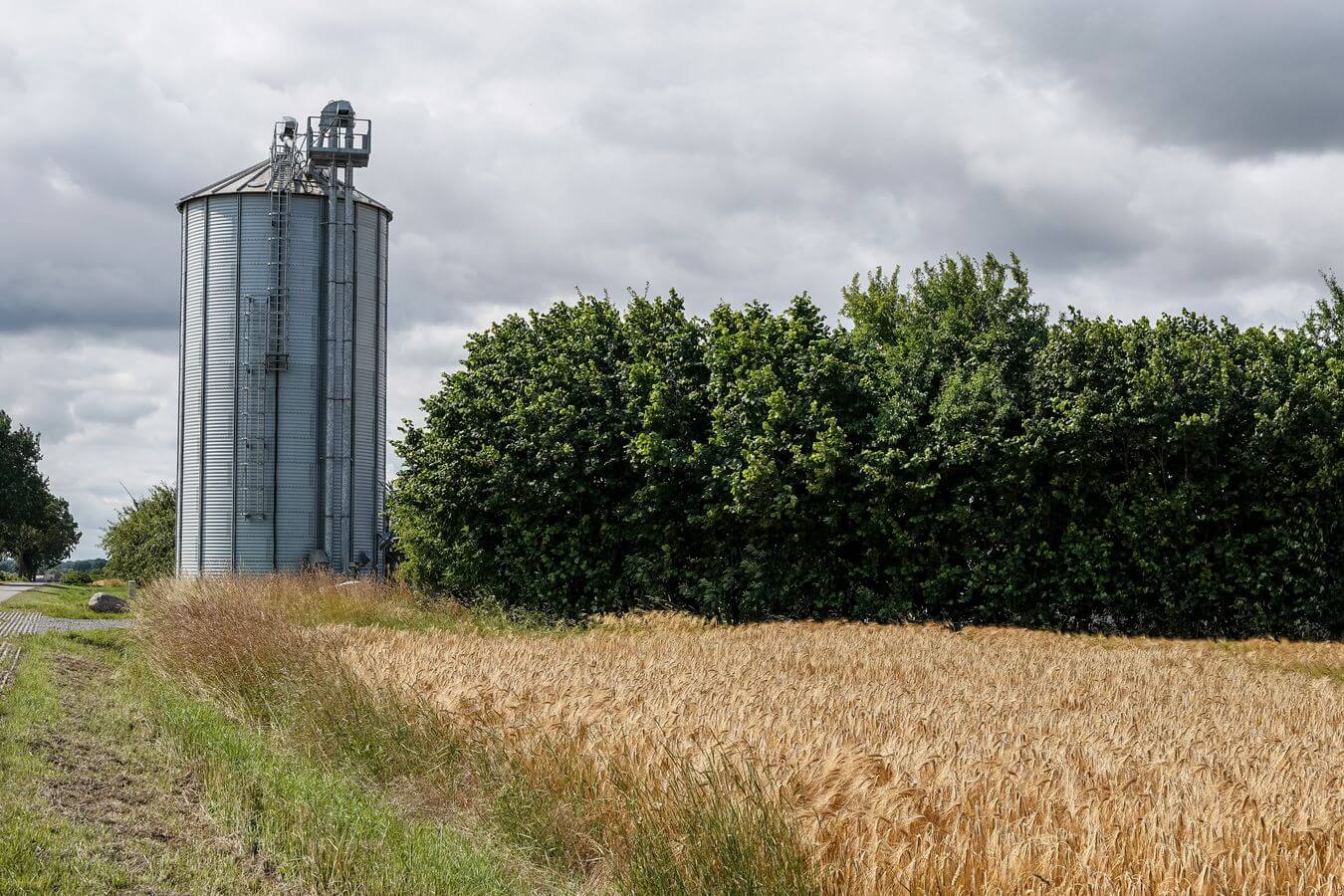
Milling and feed-grade wheat sourced from Pakistan's Punjab and Sindh belts, contracted on protein, moisture and test weight, and shipped in bagged or bulk form.
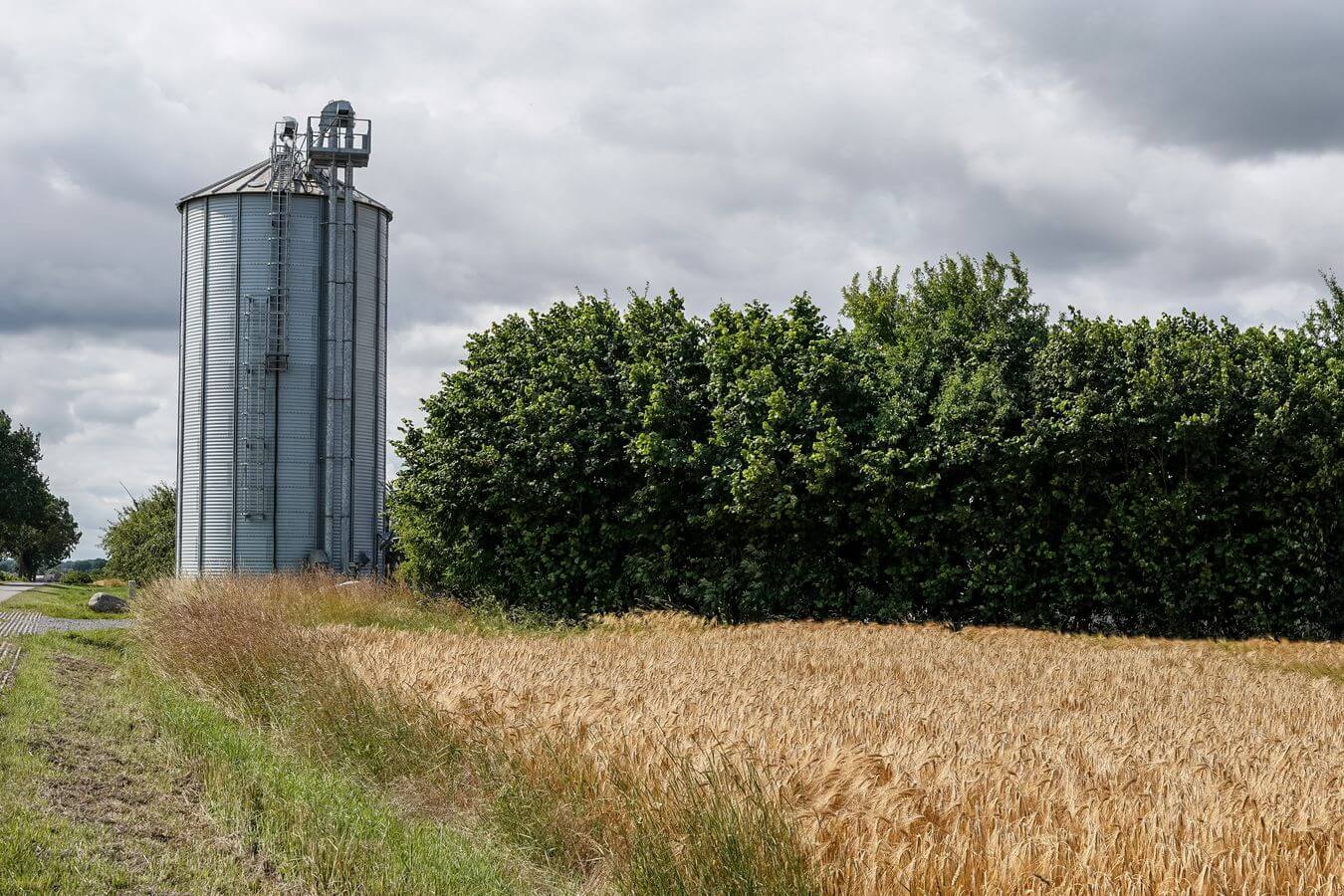
Wheat is Pakistan's principal food crop, grown across Punjab and Sindh and harvested in spring. The country has a large domestic milling sector built around it, and the wheat that moves in international trade is contracted the way wheat is contracted everywhere: on protein, moisture and test weight rather than on a variety name.
Availability for export moves with the harvest and the domestic position, so Tristar states plainly what is achievable for a given window instead of quoting a volume it cannot stand behind.
The protein band determines whether wheat suits bread flour, biscuit and confectionery flour, or feed use. It is the first thing a contract fixes.
Moisture at loading determines both the weight being paid for and how the cargo behaves in store at the other end.
Hectolitre weight gives a fast, objective read on grain soundness and expected milling yield.
Every one of these can be measured at loading and re-measured on arrival, which is what makes wheat straightforward to contract internationally.
Wheat is traded by grade and end use rather than by variety. These are the product types most often specified.
Sound wheat within a declared protein band, intended for flour milling and specified on moisture, test weight and impurity limits.
Wheat that does not meet milling specification, sold into compound feed on energy contribution and price rather than baking performance.
The upper protein band, specified where a stronger flour and better dough development are required.
Wheat at the lower end of the protein range, suited to products where a softer crumb and less gluten development are wanted.
Milled flour supplied where a buyer wants the finished product rather than the grain, packed for bakery or retail use.
The milling co-product, traded as a feed ingredient in its own right and covered in detail on the bran page.
See branThese are the values a lot is inspected against at loading, and the same ones a buyer will check on arrival.
Protein band, moisture, test weight and impurity limits are agreed in writing before a price is quoted.
Material is drawn from the growing belt and crop year that match the specification and the shipment window.
Screening and cleaning to the agreed impurity limits, with moisture controlled ahead of loading.
The lot is analysed against the contract before shipment, with independent survey where the buyer nominates it.
Where flour rather than grain is contracted, milling is scheduled to the agreed extraction and packed accordingly.
Bagged or bulk loading, with phytosanitary and inspection documentation prepared for the destination.
Format follows quantity and discharge capability more than anything else: a buyer with bulk intake will not thank you for bags.
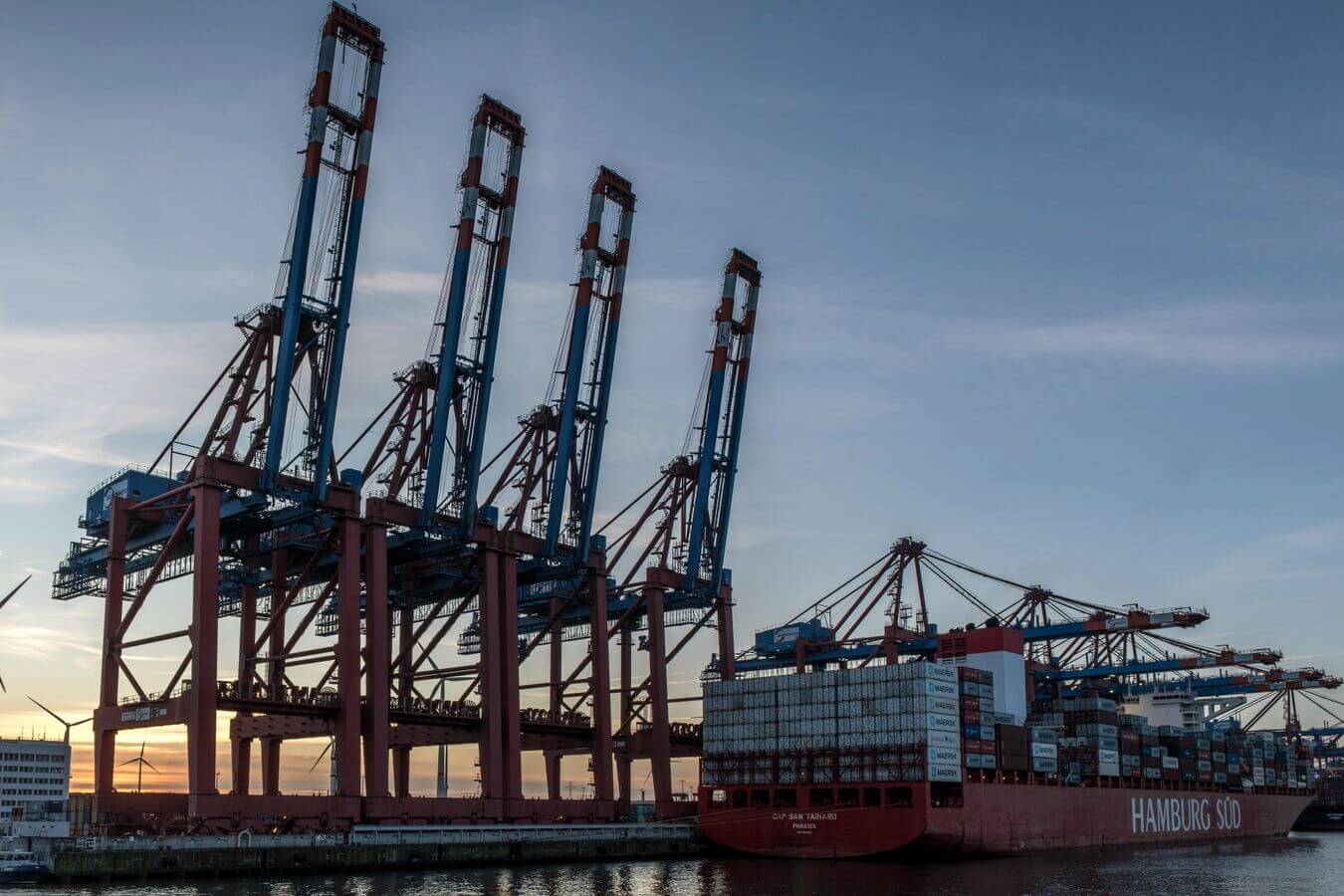
Wheat is a volume cargo, so the shipping decision is part of the trade rather than an afterthought: bulk vessel or containers, the laycan window, and the discharge capability at the destination port all feed back into what can be offered and at what price.
Tristar arranges the movement alongside the contract through the shipping desk, and prepares the phytosanitary, fumigation and inspection documentation the importing country requires.
Milling-grade wheat bought on protein and test weight for bread and general-purpose flour.
Lower-protein grades for biscuit, cake and confectionery flours.
Flour and semolina inputs for pasta, noodles and prepared foods.
Feed wheat as an energy contributor in poultry and cattle rations.
Bulk programmes where documentation and delivery reliability matter as much as price.
Wheat is contracted against a declared protein band agreed before pricing, covering milling grades through to feed wheat. Tell the desk the band your mill or formulation needs and it will say what is achievable for your window.
Milling wheat meets the protein, test weight and soundness specification a flour mill needs. Feed wheat falls outside that specification and is sold into compound feed on its energy contribution and price instead.
Hectolitre weight is a fast, objective indicator of grain soundness and of the milling yield a buyer can expect, which is why it sits alongside protein and moisture in almost every wheat contract.
Yes, where a buyer wants the finished product. Extraction rate, protein and packing are agreed in the same way the grain specification would be.
Availability moves with the harvest and the domestic position of the origin, so the shipment window forms part of the contract. The desk states what is realistic rather than promising a volume it cannot stand behind.
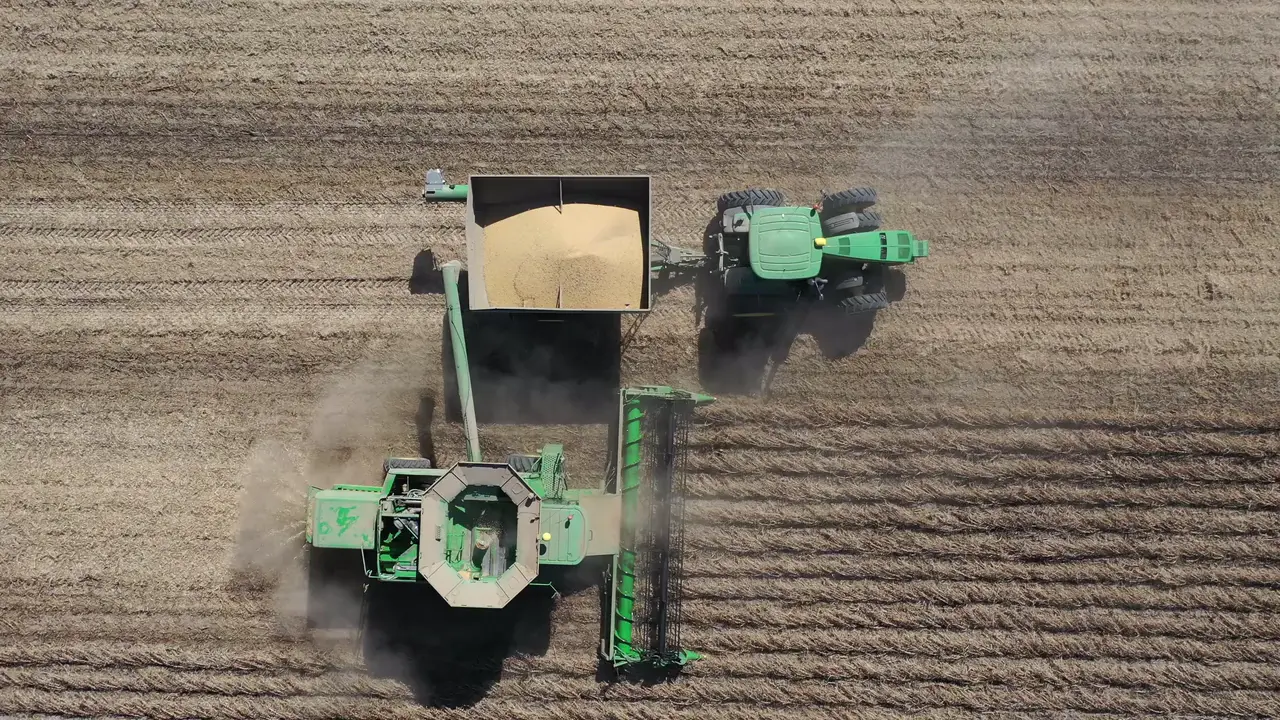
Protein, moisture, test weight, quantity and discharge port: enough to come back with a position rather than a question.