

Himalayan pink salt
Rock salt with the pink to reddish colour range the category is known for, supplied as lump, crushed, granulated or fine-milled material.

Himalayan pink salt, rock salt and refined edible and industrial grades from Pakistan's salt range: supplied in crushed, granulated and powdered forms, in bulk or packed for retail.
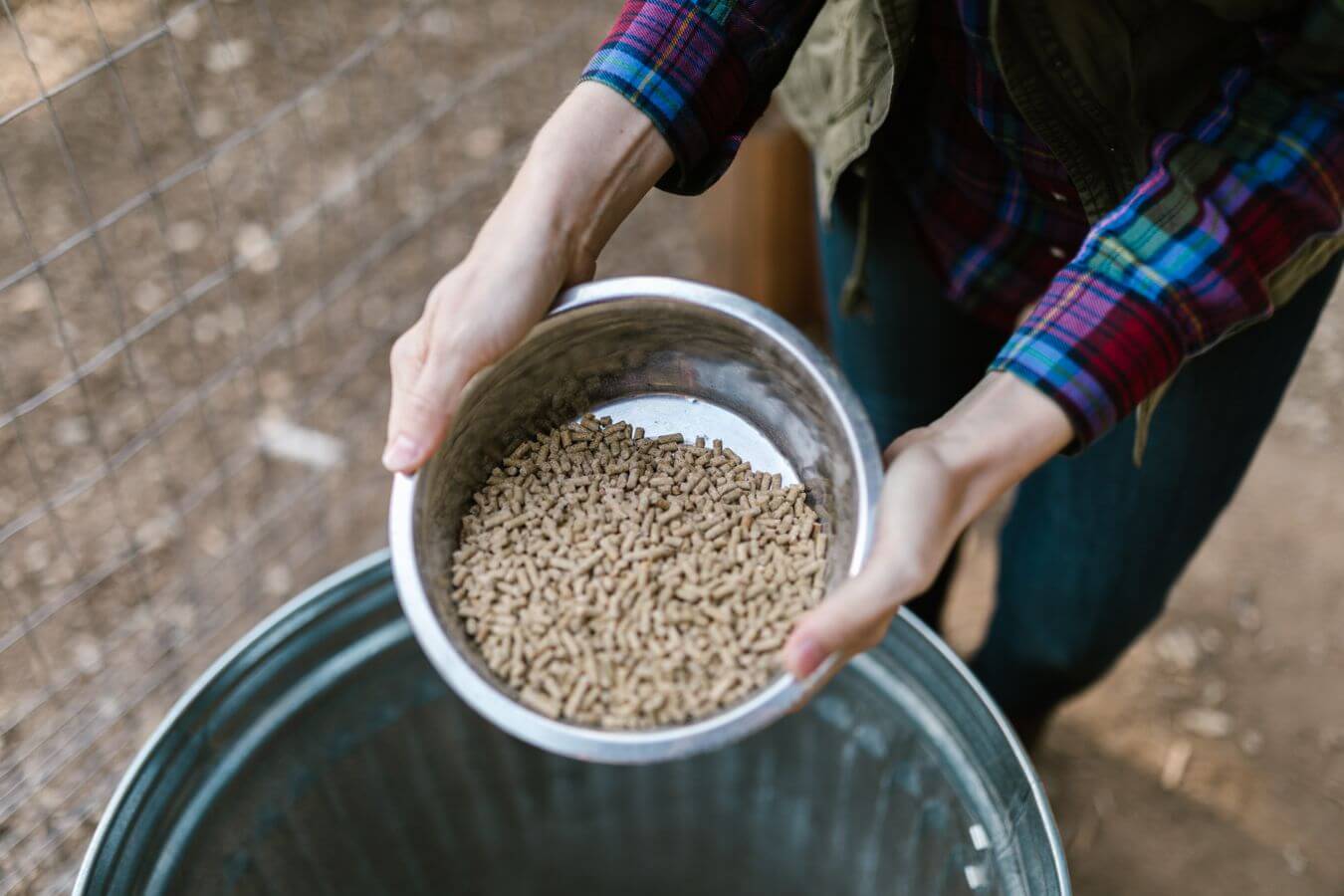
Pakistan's salt range in the Punjab foothills is the source of the rock salt sold internationally as Himalayan pink salt. Its colour comes from trace minerals in the deposit, and its position (mined as rock rather than evaporated from seawater) is what gives the product its crystalline structure and its distinct market identity.
Alongside the pink material, the same origin supplies white rock salt, refined edible grades and industrial salt for processing and de-icing. Tristar quotes across that range against a written specification covering purity, mesh and packing.
Salt is mined from an established deposit rather than evaporated, which gives a dense crystalline product and a colour range that sea salt does not offer.
Himalayan pink salt is a category buyers search for by name, which makes the origin itself part of the product's value in retail and food-service channels.
The same deposit supports gourmet retail material, general edible grades and industrial salt, so one supply relationship can cover several product lines.
Lump, crushed, granulated and powdered forms, plus shaped pieces for speciality lines such as blocks, lamps and cooking slabs.
Salt is specified by grade, form and mesh size. These are the product types most often traded from this origin.
Rock salt with the pink to reddish colour range the category is known for, supplied as lump, crushed, granulated or fine-milled material.
Rock salt from the lighter-coloured fractions of the same deposit, used where a neutral appearance is wanted at a lower price point.
Refined salt prepared for direct food use, supplied in the grain size the application calls for.
Higher-volume, lower-cost salt for industrial processes rather than consumption, specified on purity and particle size.
Mechanically reduced salt graded to a defined mesh range, the most common form for bulk trade and re-packing.
Finely milled salt for applications where rapid dissolution or even distribution is needed.
Shaped and finished pieces cut from pink rock salt, including lamps, cooking slabs, tiles and animal licks.
Coarse salt supplied for winter road and surface treatment, bought on particle size and volume rather than appearance.
Salt is graded on composition and physical form. These are the parameters a contract and an inspection certificate are written around.
Grade, form, mesh, purity and packing are agreed in writing, along with colour expectations for pink material.
Material is drawn from the fraction of the deposit that matches the grade and colour band specified.
Mechanical reduction and screening to the agreed mesh range, or shaping and finishing for lamps, slabs and blocks.
Washing and drying where the grade calls for it, controlling moisture before packing.
Checked against the written specification prior to packing, with independent survey where nominated.
Packed to the agreed format and marked for the destination market, including buyer artwork where the programme calls for it.
Salt travels well when it is kept dry, so packing is chosen for the route as much as for the shelf. Custom and buyer-branded packing is available across the edible and gourmet grades.
Pink salt sells into gourmet retail, food service and lifestyle channels across Europe, North America, the Gulf and East Asia, while industrial and de-icing grades move on volume into processing and municipal buyers. The two trades behave differently, and the packing and shipping decisions follow from which one an order belongs to.
Tristar coordinates shipment alongside the cargo (containerised for packed retail and shaped goods, bulk where volume and price dominate) and prepares documentation for the destination market.
Pink salt in grinders, pouches and gift formats, sold on colour, origin and crystal form.
Edible grades specified on purity and grain size for consistent dosing.
Chemical, tanning and water-treatment use, bought on NaCl content and insolubles.
Coarse salt for winter road and surface treatment, bought on particle size and volume.
Lamps, cooking slabs and tiles for retail and hospitality channels.
Salt licks and blocks for livestock, specified on dimensions and composition.
Yes. The salt sold internationally as Himalayan pink salt is mined from the salt range in Pakistan's Punjab region. It is a rock salt, mined from a deposit, rather than a sea salt produced by evaporation.
Lump, crushed, granulated, fine and powdered, plus shaped pieces such as lamps, cooking slabs, tiles and animal licks. The mesh or size band is set in the specification.
By grade and by what the specification controls. Edible grades are specified on purity, grain size and food suitability; industrial grades are specified on sodium chloride content, insolubles and particle size, and are priced for volume use rather than consumption.
Yes. Custom and buyer-branded packing is available across the edible and gourmet grades: pack format, print and destination marking are agreed before the run.
It varies naturally within any deposit, which is why the contract records an expected colour band rather than a single shade. Agreeing that band up front is what prevents a dispute on arrival.
Gourmet pink, edible, industrial or de-icing, with the form, size band and packing the desk can quote to your specification.