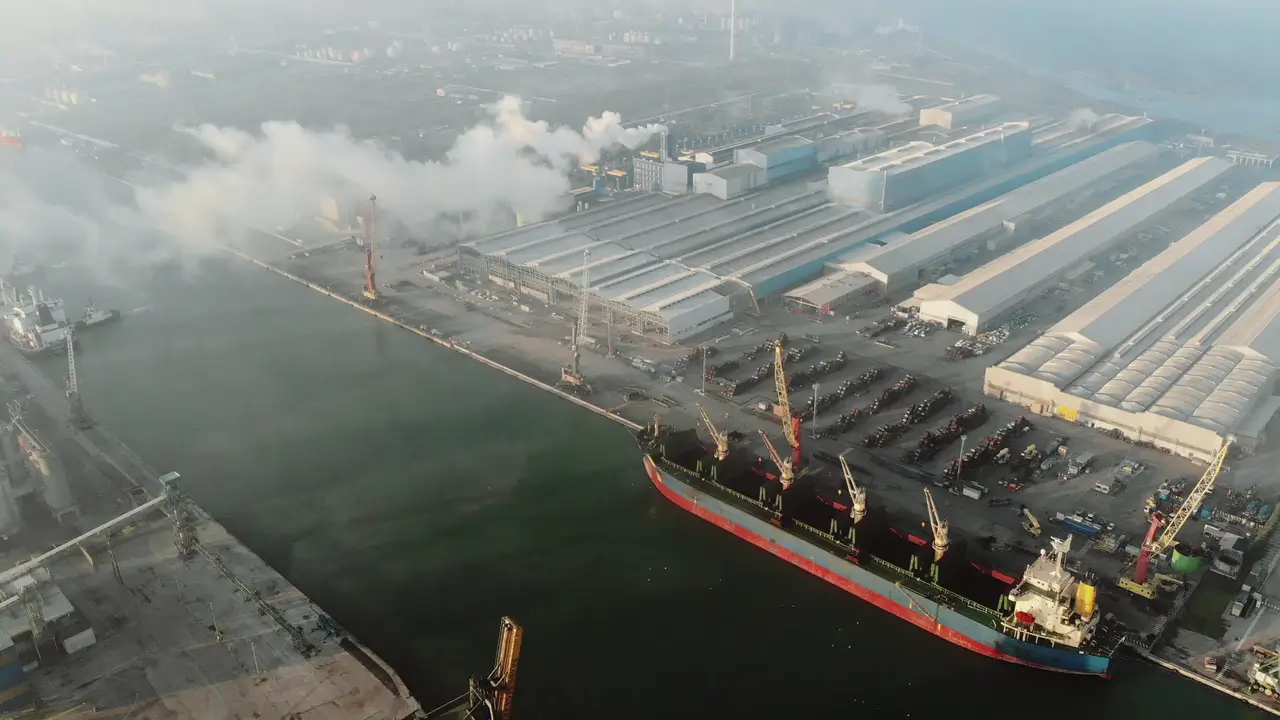

Dry bulk cargo
Agricultural and industrial commodities moved in bulk, with stowage, trim and moisture considerations handled as part of the fixture.
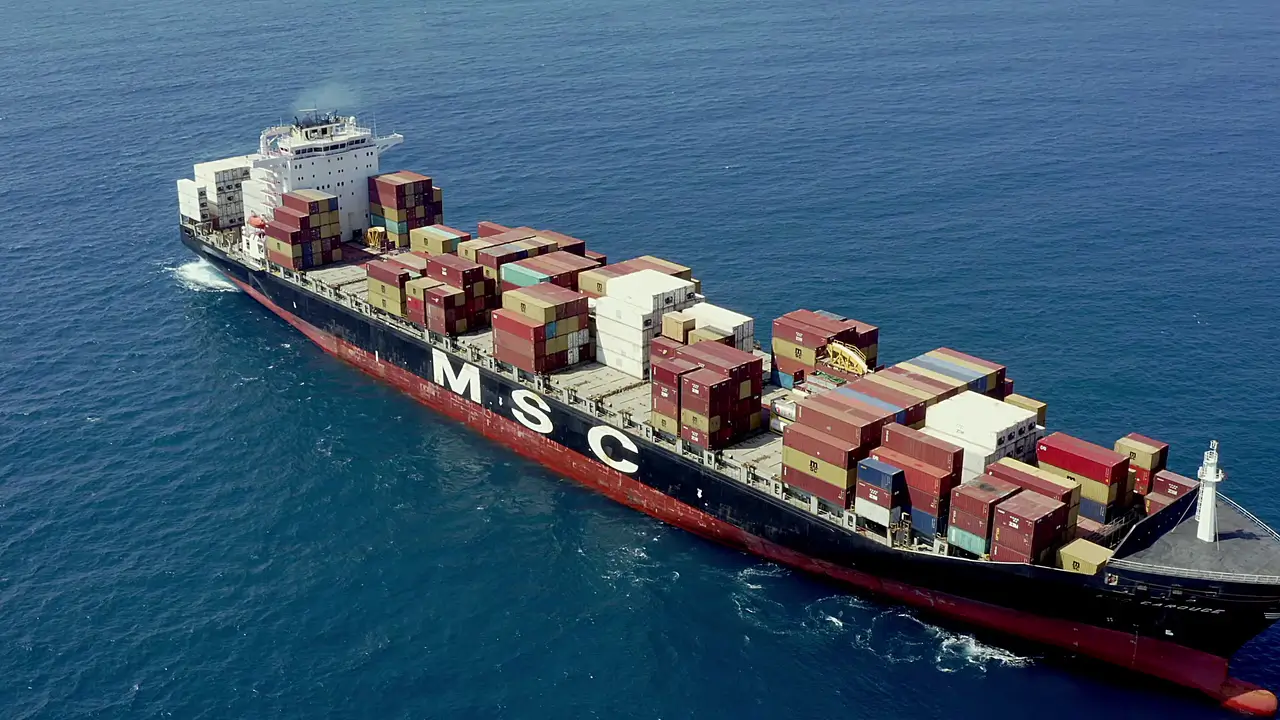
Dry bulk, breakbulk and project cargo moved through arranged tonnage, coordinated ports and documentation prepared for the destination: organised from a working port city.
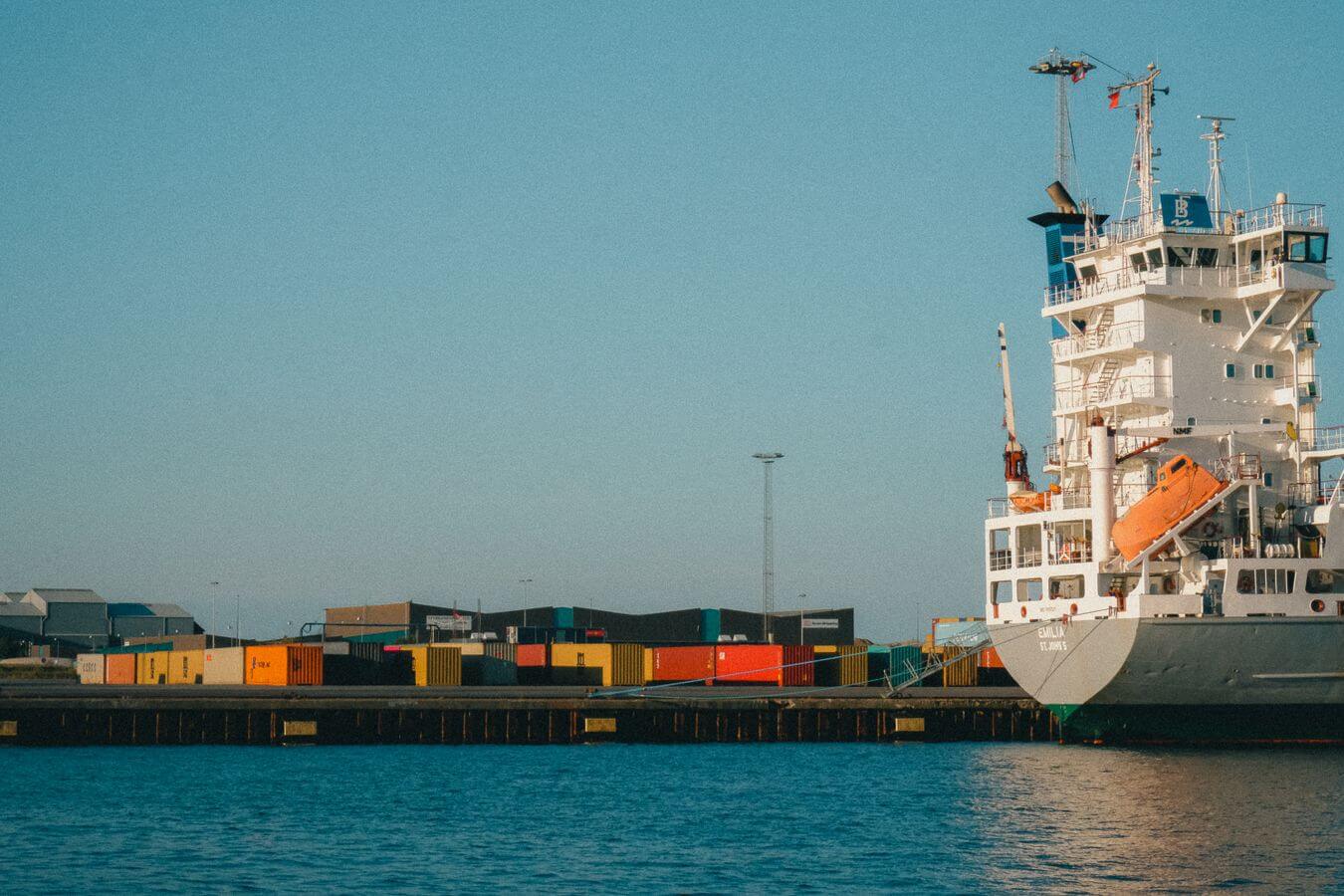
Tristar arranges the movement of cargo. That means identifying suitable tonnage, negotiating the charter terms, coordinating ports and agents, preparing documentation and keeping the parties talking until the cargo discharges.
It does not mean owning vessels, terminals or warehouses. Tristar works as a commercial coordinator through a partner network of owners, brokers, agents and hauliers, which is stated plainly here because a buyer is entitled to know who actually controls the asset their cargo sits on.
Shipping work divides into cargo movement, the commercial arrangement behind it, and the paperwork that lets it clear. These are the services Tristar coordinates.
Agricultural and industrial commodities moved in bulk, with stowage, trim and moisture considerations handled as part of the fixture.
Bagged, palletised and oversized cargo requiring lifting plans, route survey and port capability confirmed before fixing.
Container shipment for packed and mid-size consignments, including liner booking and container specification.
Voyage charters, time charters and contracts of affreightment for repeat cargo, negotiated on the buyer's behalf through the broker and owner market.
Agency appointment, berth coordination and discharge arrangements handled with port agents at both ends of the voyage.
Bills of lading, certificates of origin, inspection and phytosanitary certificates, and the customs paperwork the destination requires.
Laytime negotiated into the charter party and the statement of facts followed through to settlement, so a claim does not surface after the vessel sails.
Inland haulage, storage and onward movement coordinated with the sea leg rather than treated as a separate problem.
Commodity, quantity, packing, load and discharge ports and the laycan window: the four things that decide what tonnage suits.
Draft, berth availability, handling equipment and any restriction at either end checked before a vessel is proposed.
Suitable vessels identified through the owner and broker market, with the commercial differences set out.
Terms, laytime, demurrage and despatch negotiated into the charter party before fixing.
Agency appointment, loading supervision, stowage and documentation coordinated through the voyage.
Statement of facts followed through to laytime calculation and settlement of any claim.
The people arranging the vessel know what the cargo is and how it behaves, because the same house trades it.
A cargo problem and a shipping problem are the same problem here, handled by desks that sit together.
Operating from a working port city, close to the loading end of the cargo we trade.
We coordinate through a partner network of owners, agents and hauliers, and say so rather than implying a fleet.
Laytime is negotiated in and tracked through the voyage, so demurrage is a calculation and not a surprise.
Paperwork prepared for where the cargo is going, which is where it has to clear.

A shipment fails at the discharge port far more often than at sea, and almost always on paperwork: a certificate the importing country requires and nobody asked for, a description that does not match the letter of credit, a laytime clause read differently by each side.
Those are avoidable with attention up front. Documentation requirements are confirmed against the destination market before loading, contract and charter terms are read together rather than separately, and sanctions and trade-restriction screening is applied to counterparties and routes as a matter of course.
Visibility on a bulk shipment is not a tracking app; it is somebody telling you the truth about berth queues, weather delays and discharge rates while there is still time to act on it. Tristar reports position and status through the voyage, and flags a problem when it appears rather than when it becomes unavoidable.
Where a cargo is part of a trading contract with us, that reporting covers the whole chain: from the specification agreed at origin through to discharge at destination.
Shipping is offered as a service in its own right as well as alongside a Tristar trading contract.
No. Tristar coordinates and arranges shipping through a partner network of owners, brokers, port agents and hauliers. It does not own vessels, terminals, warehouses or port infrastructure, and does not present itself as doing so.
Voyage charters, time charters and contracts of affreightment for repeat cargo, negotiated through the owner and broker market on the buyer's behalf.
Dry bulk and breakbulk, principally agricultural commodities in bulk and in bags, plus project and oversized cargo such as renewable energy equipment, and containerised consignments.
Laytime, demurrage and despatch are negotiated into the charter party before fixing, and the statement of facts is followed through to settlement, so a claim is a calculation rather than something discovered after the vessel has sailed.
Yes. Shipping is offered as a service in its own right, not only alongside a Tristar trading contract.
The cargo and quantity, the load and discharge ports, the laycan window you are working to, and any draft or gear restriction at either end.

Commodity, quantity, load and discharge ports, and the laycan you are working to: enough to start looking for suitable tonnage.