

Rice bran
The oil-bearing outer layer from rice milling, valued in feed for its energy and used as a feedstock for oil extraction.
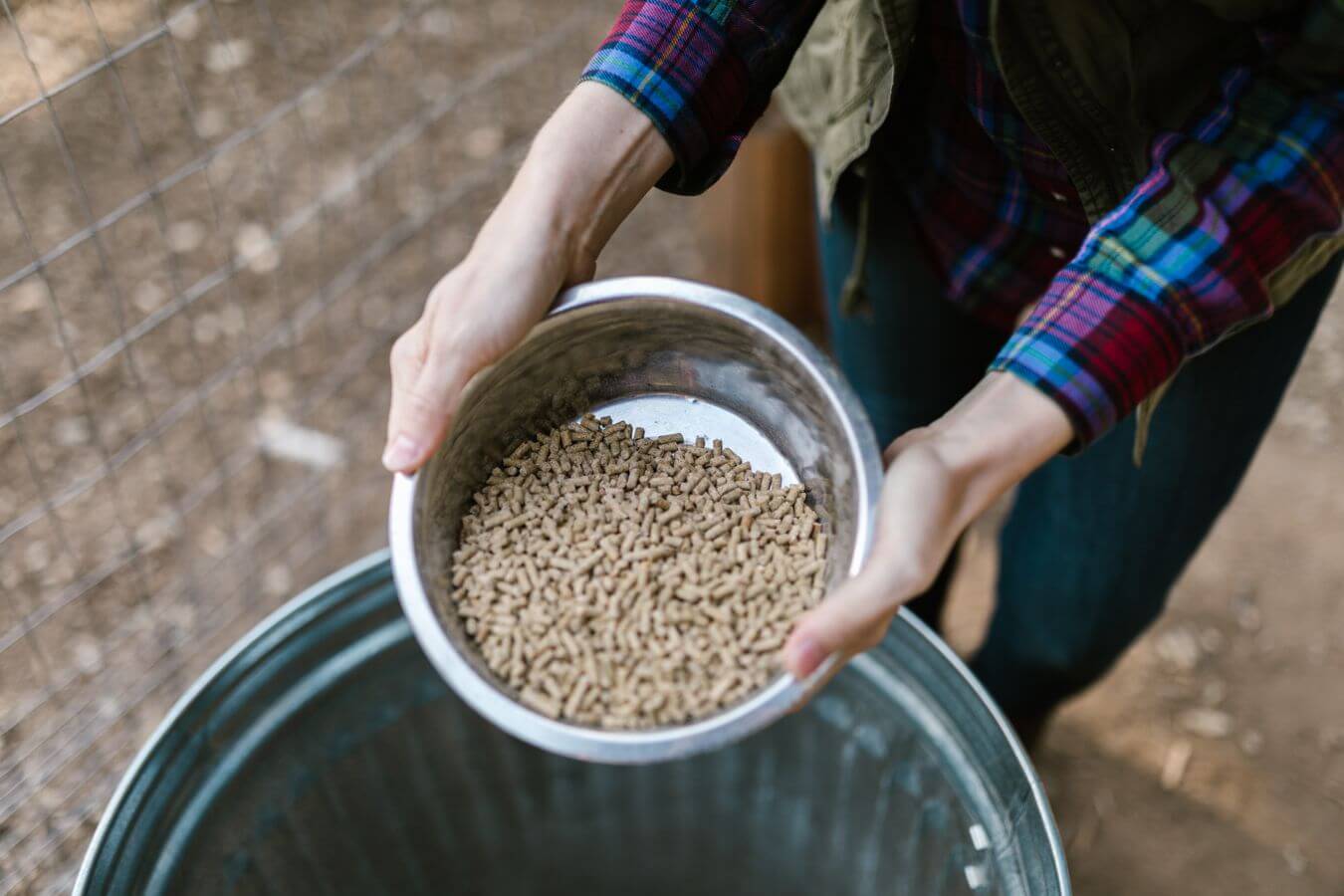
A milling co-product bought on analysis, not description: supplied against declared protein, fibre, oil and moisture, in bagged and bulk formats for feed mills and oil extractors.
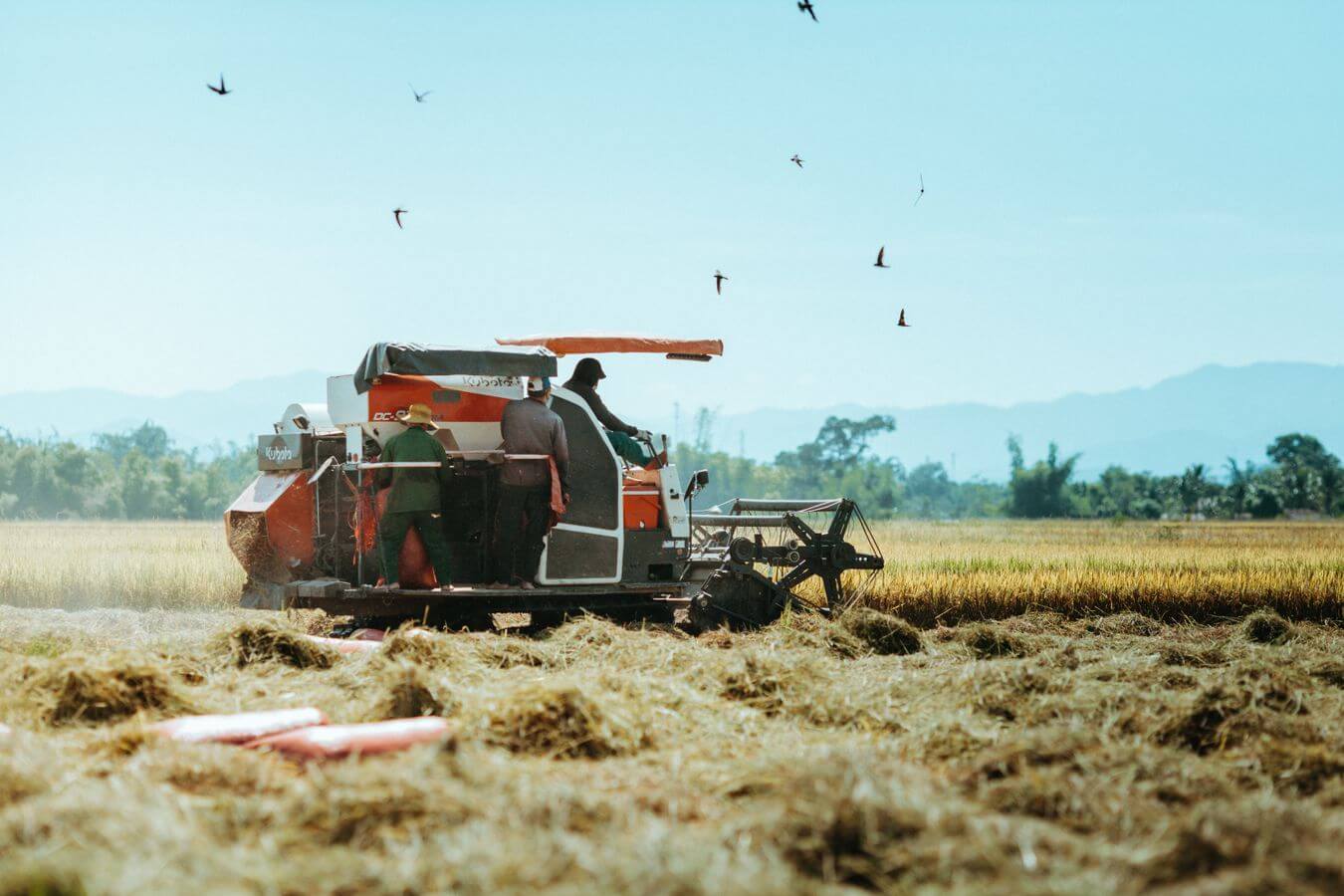
Bran is the outer layer separated from the grain during milling. Pakistan's substantial rice and wheat milling sectors generate it continuously, and it trades as a commodity in its own right: principally into animal feed, and in the case of rice bran, into oil extraction.
Because it is a co-product, quality moves with the milling run it came from. That is exactly why bran is bought on analysis: protein, fibre, oil content, ash and moisture are declared and verified, rather than taken on the strength of a product name.
Bran is generated wherever grain is milled, so supply follows the milling sector rather than a single harvest window.
It delivers protein, fibre and energy into compound feed at a cost below most primary ingredients, which is what keeps demand steady.
Rice bran carries oil, making it a feedstock for rice bran oil extraction as well as a feed ingredient.
Objective parameters (protein, fibre, oil, ash, moisture) make it straightforward to contract and to verify on arrival.
Bran is traded as a small set of clearly distinguished products. Which one suits depends on whether the buyer is feeding it or extracting from it.
The oil-bearing outer layer from rice milling, valued in feed for its energy and used as a feedstock for oil extraction.
Rice bran after oil extraction, higher in protein and fibre per tonne and more stable in storage than full-fat bran.
The outer layer from wheat milling, a standard fibre and protein source in ruminant and poultry rations.
The finer fraction from the whitening stage of rice milling, richer in energy than bran and often specified separately.
Bran compacted into pellets, which raises bulk density, cuts dust and makes handling and freight more efficient.
Blended milling co-products supplied to an agreed analysis where a buyer is formulating to cost rather than to a single ingredient.
These are the values that appear on a bran contract and on the analysis certificate that travels with it.
Protein, fibre, oil, ash and moisture are agreed in writing, along with form and packing.
Material is drawn from milling runs that match the declared analysis rather than blended to hit it after the fact.
Where full-fat rice bran is supplied, moisture and handling time are controlled to limit the rise in free fatty acids.
Optional compaction to raise bulk density and reduce dust where the shipment or the buyer's handling calls for it.
Lots are analysed against the contract before shipment, with independent sampling where the buyer nominates it.
Bagged or bulk, loaded with moisture and contamination controls appropriate to a feed-grade cargo.
Bran is a low-density cargo, so packing and form are chosen with freight cost and intake handling in mind.
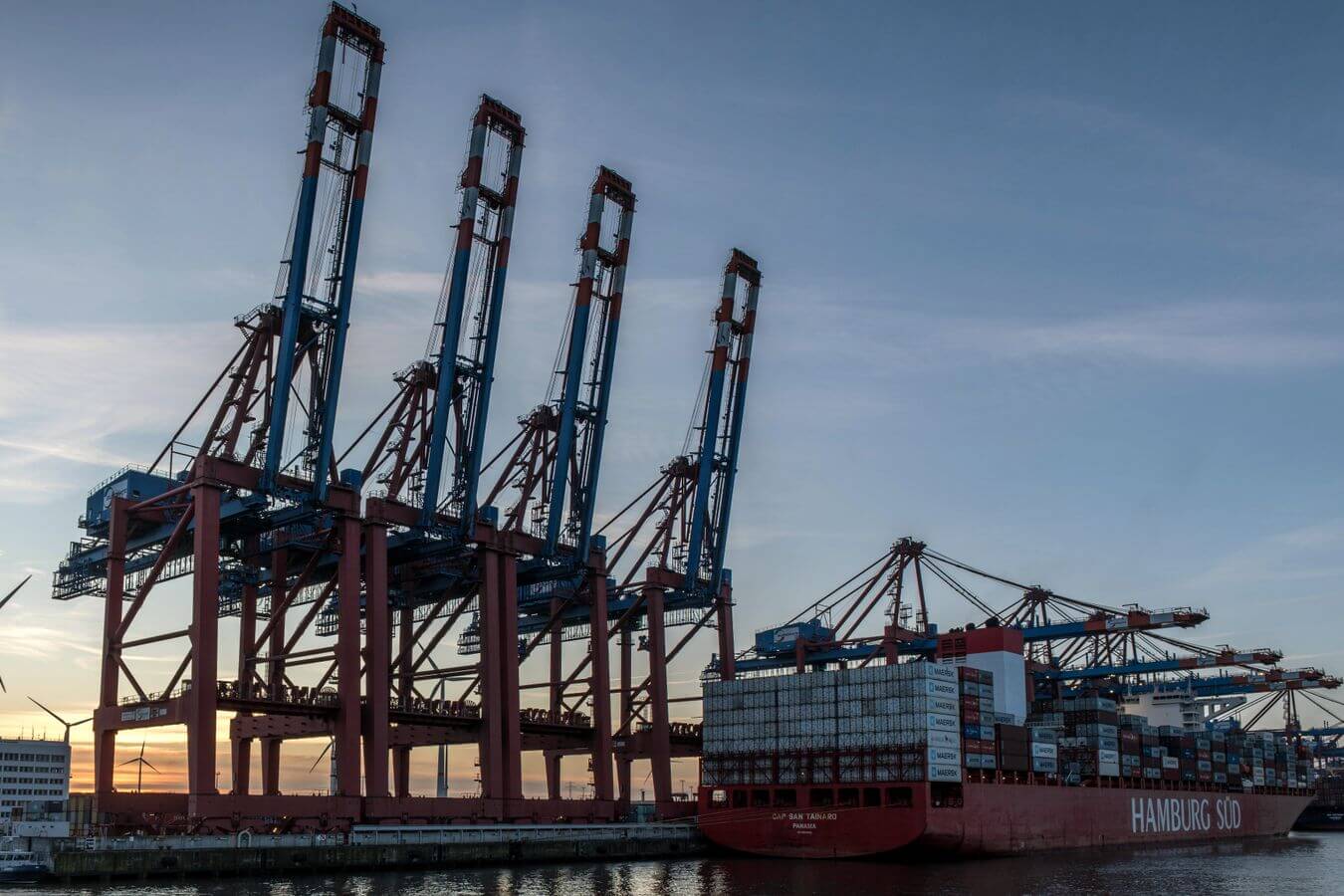
Bran ships at low density and spoils if it loads wet, so the practical questions are bulk versus bagged, meal versus pellets, and how quickly the cargo moves from mill to vessel. Those are decided together with the analysis, not after it.
Tristar coordinates the shipment with the trading contract, arranging containerised or bulk movement and preparing the documentation the importing country requires for a feed-grade product.
Formulators using bran as a protein, fibre and energy contributor at a favourable cost per unit.
Rations where rice polish and bran contribute energy and fibre in defined proportions.
De-oiled rice bran as a stable, higher-protein input into aqua formulations.
Full-fat rice bran supplied as feedstock to rice bran oil extraction plants.
Wheat bran as a standard fibre source in ruminant feeding.
Full-fat rice bran still carries its oil, which makes it energy-dense in feed and usable as an extraction feedstock. De-oiled rice bran is what remains after extraction: higher in protein and fibre per tonne, and considerably more stable in storage.
By contracting on analysis. Protein, fibre, oil, ash and moisture are declared in the contract and verified before shipment, with independent sampling where the buyer nominates it. Nothing is sold on description alone.
Bran spoils quickly when it ships wet, and moisture also inflates the weight being paid for. A maximum at loading is written into every contract for that reason.
Yes. Pelleting raises bulk density, cuts dust and makes both freight and mill intake more efficient: it is usually worth it on longer routes or where the buyer's handling favours pellets.
Both. Bagged suits smaller lots and easier intake; bulk suits volume contracts where freight cost dominates. The choice is made alongside the analysis and the route.
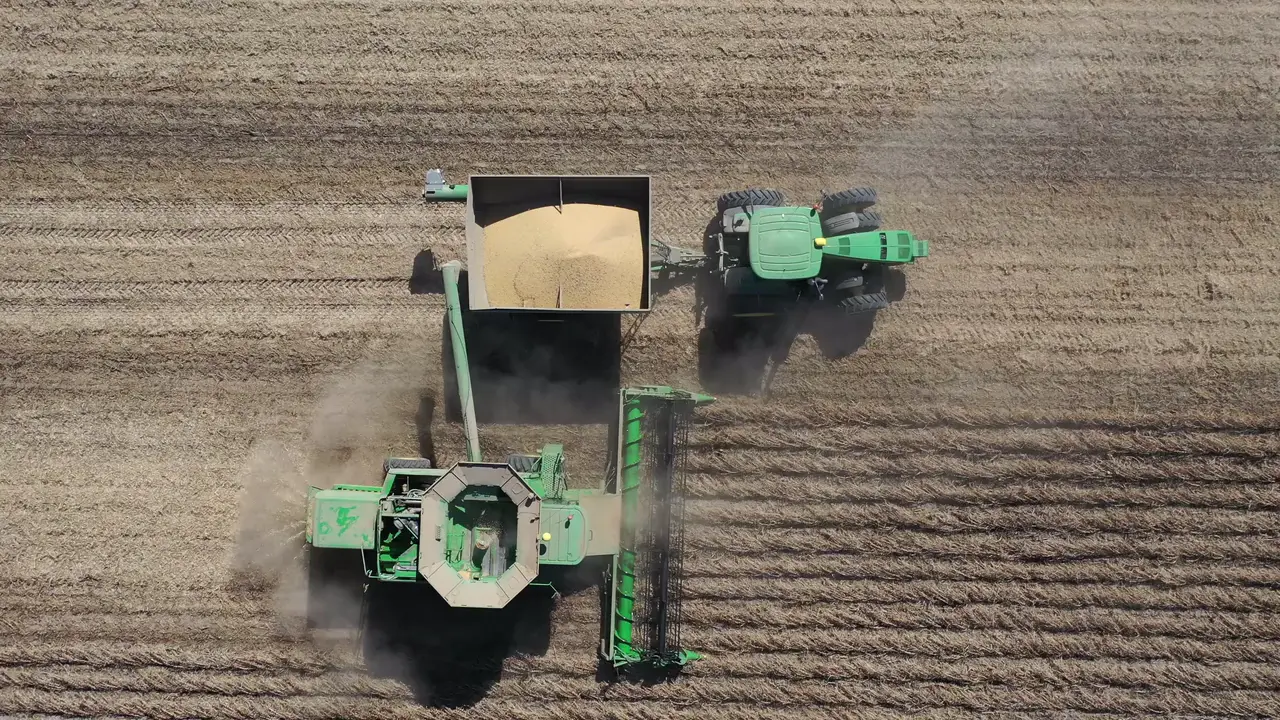
Protein, fibre, oil, ash and moisture, plus form and destination: enough for the desk to quote a bran contract properly.