

Electrolysers
Alkaline, PEM and other electrolyser technologies that split water using electrical input, specified on output, efficiency and load-following behaviour.
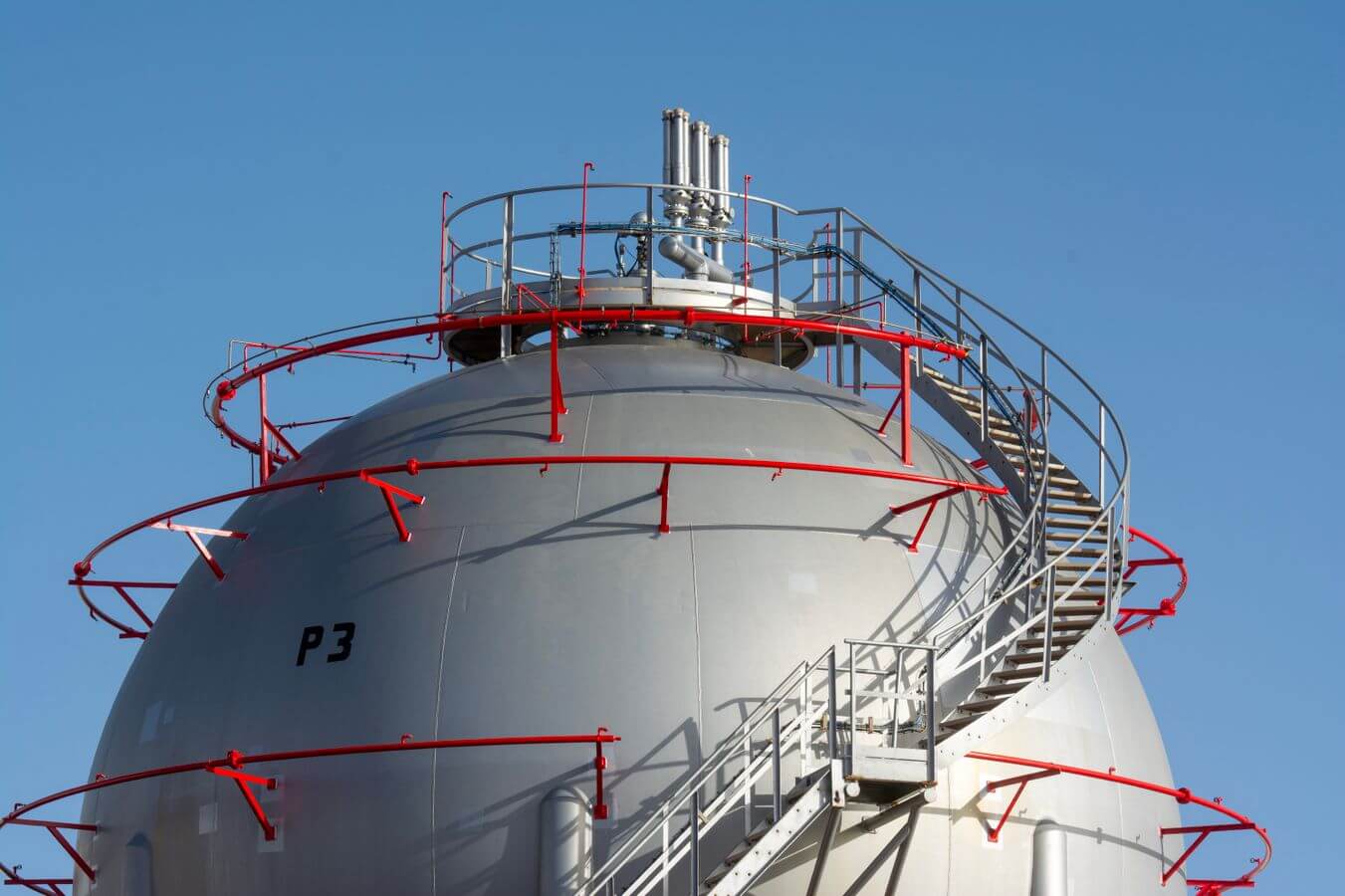
Electrolysis, storage, compression and handling equipment sourced against project specification, with realistic wording about where the technology is, and where it is not.
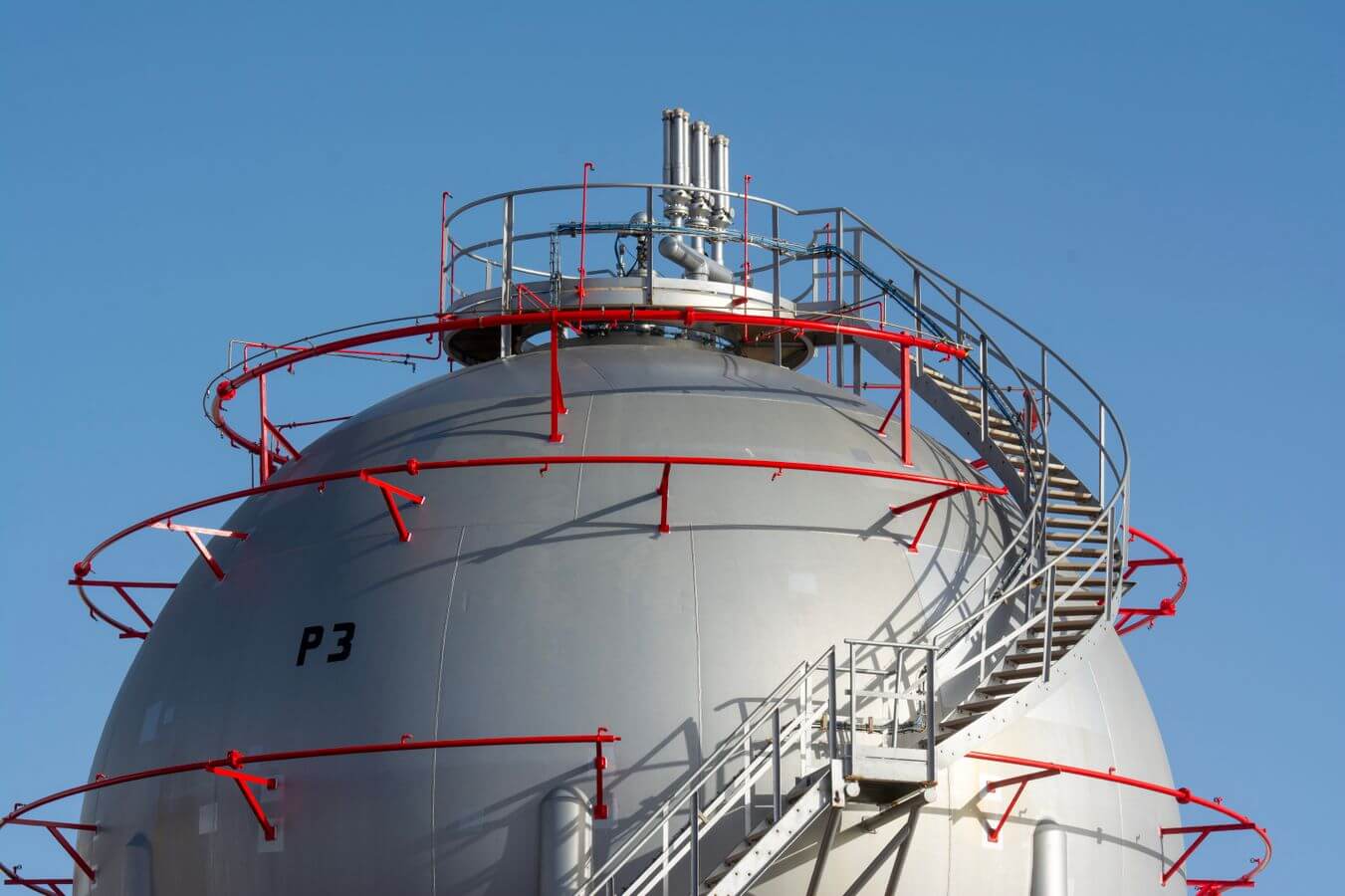
Hydrogen is central to most long-term decarbonisation plans, particularly for industries that resist direct electrification: steel, fertiliser, refining and heavy transport. Electrolytic hydrogen made from renewable power, commonly called green hydrogen, is the route attracting most of that attention.
It is also a market still forming. Much of the announced capacity is at study or early-development stage worldwide, and costs vary widely by region and power price. Tristar approaches it as an equipment sourcing and supply-chain opportunity, and says clearly that it neither produces hydrogen nor owns infrastructure.
Produced by electrolysis using renewable electricity. The lowest-carbon route, and the one most project development is aimed at.
Produced from natural gas with carbon capture applied to the process emissions, often positioned as a transitional route.
Produced from natural gas without capture. It is the bulk of today's industrial hydrogen and the baseline the others are measured against.
For a buyer, what matters is purity, pressure, volume and delivery: the production route is a commercial and regulatory question layered on top.
Hydrogen projects are equipment-heavy across production, conditioning, storage and handling. These are the categories Tristar sources against.
Alkaline, PEM and other electrolyser technologies that split water using electrical input, specified on output, efficiency and load-following behaviour.
Compressors and conditioning equipment that raise hydrogen to the pressure storage or transport requires.
Pressure vessels, tube trailers and cryogenic storage, selected by volume, pressure and how long the hydrogen must be held.
Cylinders, bundles, trailers and the valves, fittings and safety equipment that go with moving a light, wide-flammability-range gas.
Water treatment, cooling, purification, piping and instrumentation: the supporting equipment that makes a production package operable.
Detection, ventilation and monitoring equipment appropriate to a gas with a wide flammability range and small molecular size.
Electrolysis, compression, storage and handling equipment sourced against a project specification.
Technical comparison against the stated requirement, with the differences set out rather than glossed over.
Pricing, terms, warranty and lead time agreed in writing across the equipment list.
Movement arranged through the shipping desk, including the handling and documentation pressurised equipment requires.
An honest read on what is commercially available now versus what is still at development stage.
Tristar does not produce hydrogen, operate production assets or own infrastructure, and nothing on this page should be read as claiming otherwise.
The established industrial demand: hydrotreating, ammonia and methanol synthesis.
Ammonia as the feedstock route, and the largest single existing use of hydrogen.
Direct reduction and high-temperature processes where electrification is difficult.
Buses, trucks and material handling where refuelling time and range favour hydrogen over batteries.
Longer-duration energy storage and dispatchable generation in specific grid contexts.
No. Tristar does not produce hydrogen, operate production facilities or own hydrogen infrastructure. The role is sourcing and supplying equipment, and coordinating its movement.
Hydrogen produced by electrolysis using renewable electricity, so that production itself carries no direct carbon emissions. It is distinguished from blue hydrogen, made from natural gas with carbon capture, and grey hydrogen, made from natural gas without it.
Electrolysers, compression, storage and handling equipment are commercially available and in industrial use. What is still developing is large-scale project economics, which vary considerably with power price and region. The desk will give a straight answer on availability and lead time rather than an optimistic one.
It is the smallest molecule, which makes containment and material selection critical, and it has a wide flammability range. Storage, piping, valves and detection all have to be specified for hydrogen service rather than adapted from other gases.
The production rate or storage volume required, the purity and pressure, the power available if electrolysis is involved, the site location and the delivery window.
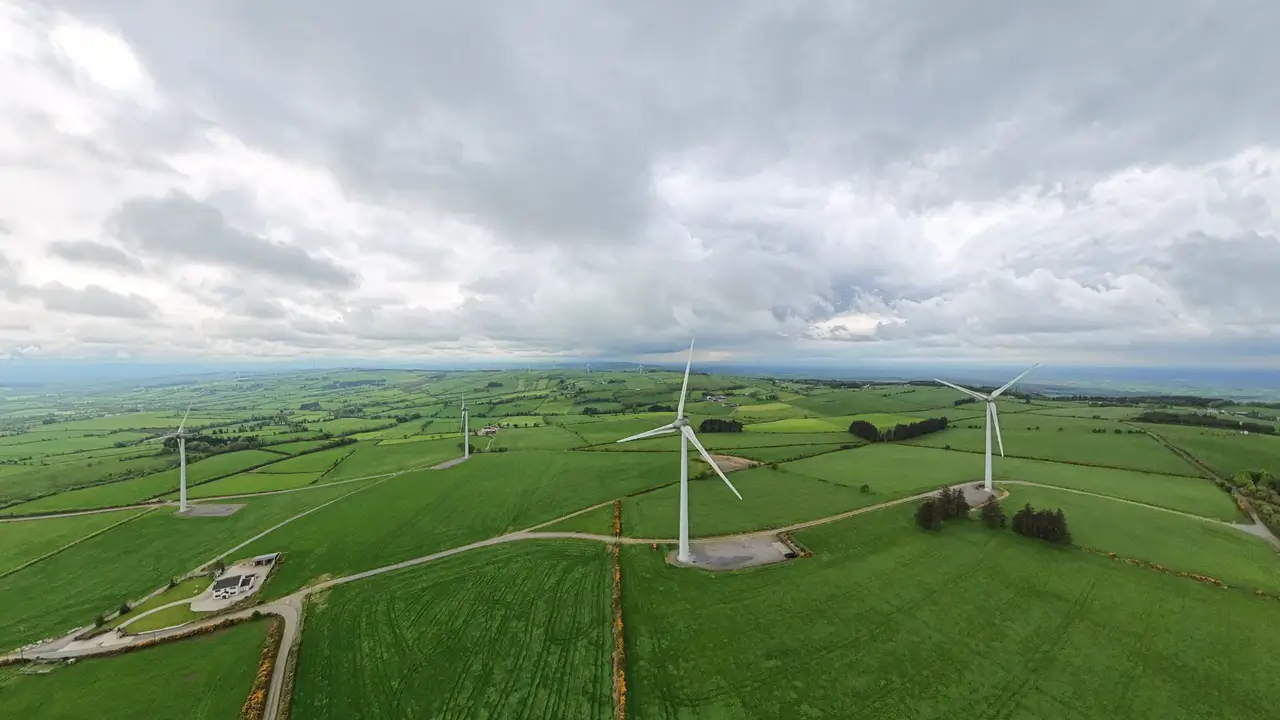
With the production or storage requirement and the site context, the desk can source against a real specification and say honestly what lead times look like.